
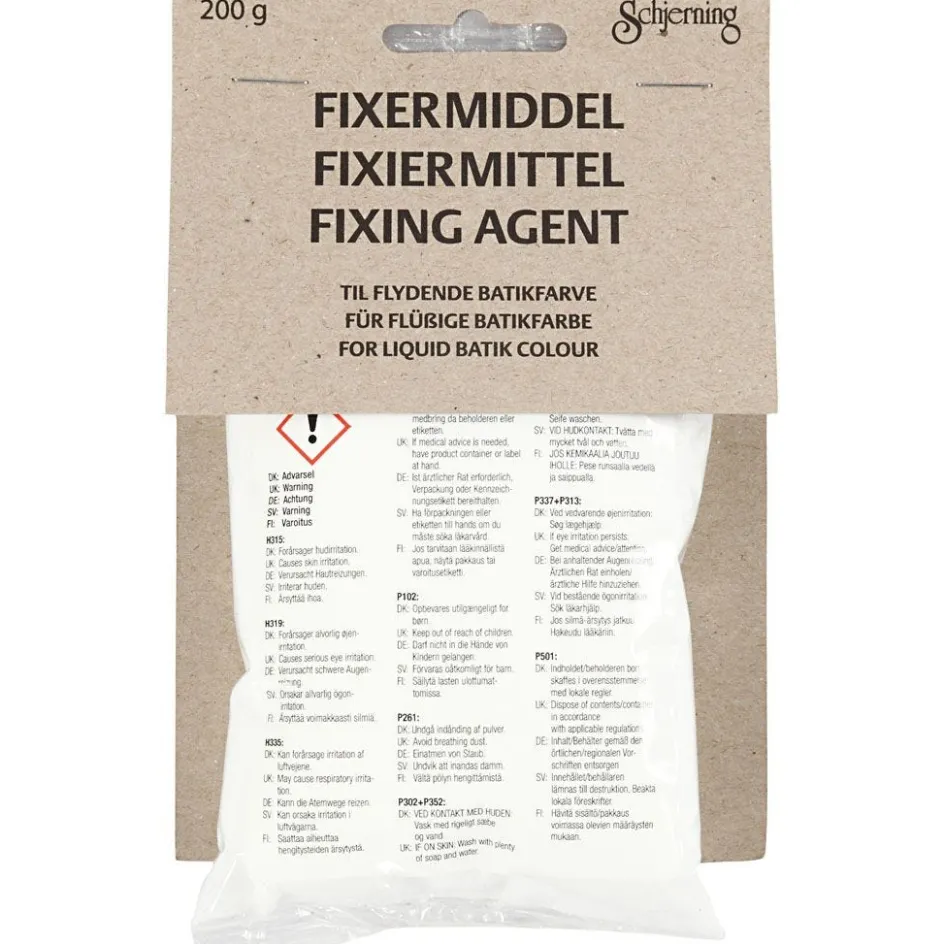
Schjerning ES Batik Fixative| Textile Decoration
$4.30
Fixing salt to keep colours bright when rejuvenating old clothes. Fixing salt is used in your dyeing projects to prevent…
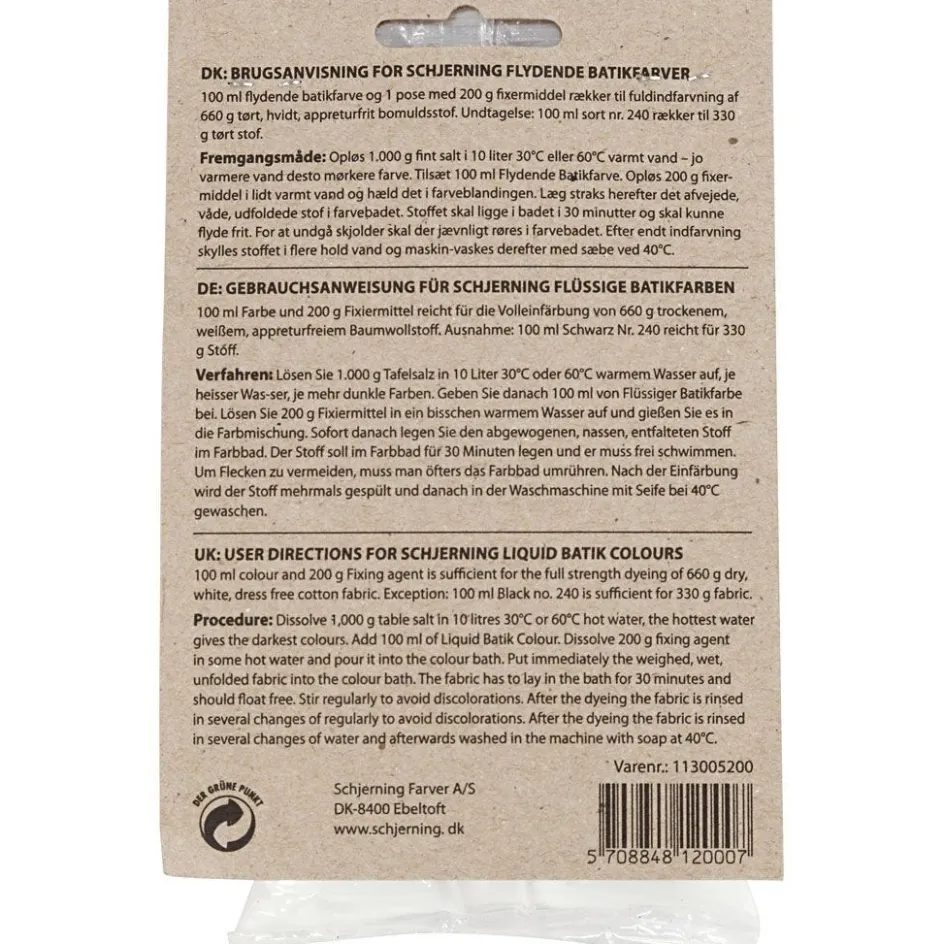
Fixing salt is used in your dyeing projects to prevent the dye from rubbing off in the wash. You can use the salt in a dye bath or directly in the washing machine. To make the dye bath, dissolve 1 kg of fine table salt with 2 litres of warm water. Add another 4 litres of water (30–60 degrees), 100 ml of liquid batik dye and 200 grams of fixing salt – stir and the dye bath is ready. Now, place the cotton textiles in the dye bath – and keep rinsing them in several rounds of water until the water runs clear. Finally, wash in a washing machine at 30–60 degrees.
There are almost no limits to the number of textiles you can transform using the tie-dye technique – for example, you can dye:.
- Tea towels
- T-shirts
- Tote bags
- Bags
- Pot holders
- Pillow cases
.
Tie-dye, also known as batik, is an old dyeing technique that was popular in the 60s and 70s. But now the mottled look has made a comeback – and it’s a hit with children, young people and adults alike. With tie-dye, patterns and colours are given free rein on old clothes – and this is perfectly in keeping with the sustainability trend. Old T-shirts, tea towels and pillowcases can suddenly be given a completely new look. In this way, tie-dye is an important technique in upcycling – because it’s all about adding new value to old things. If you want to get started with tie-dye or baik, it requires next-to-no preparation. All you need is a bucket, liquid batik dye and fixing salt. Once you have these items, you can immediately start turning your old clothes into colourful delights
| Brand | Schjerning |
|---|---|
| Season | Basis |
| Sales Quantity | 200 g/ 1 bag |
Be the first to review “Schjerning ES Batik Fixative| Textile Decoration”
Related products
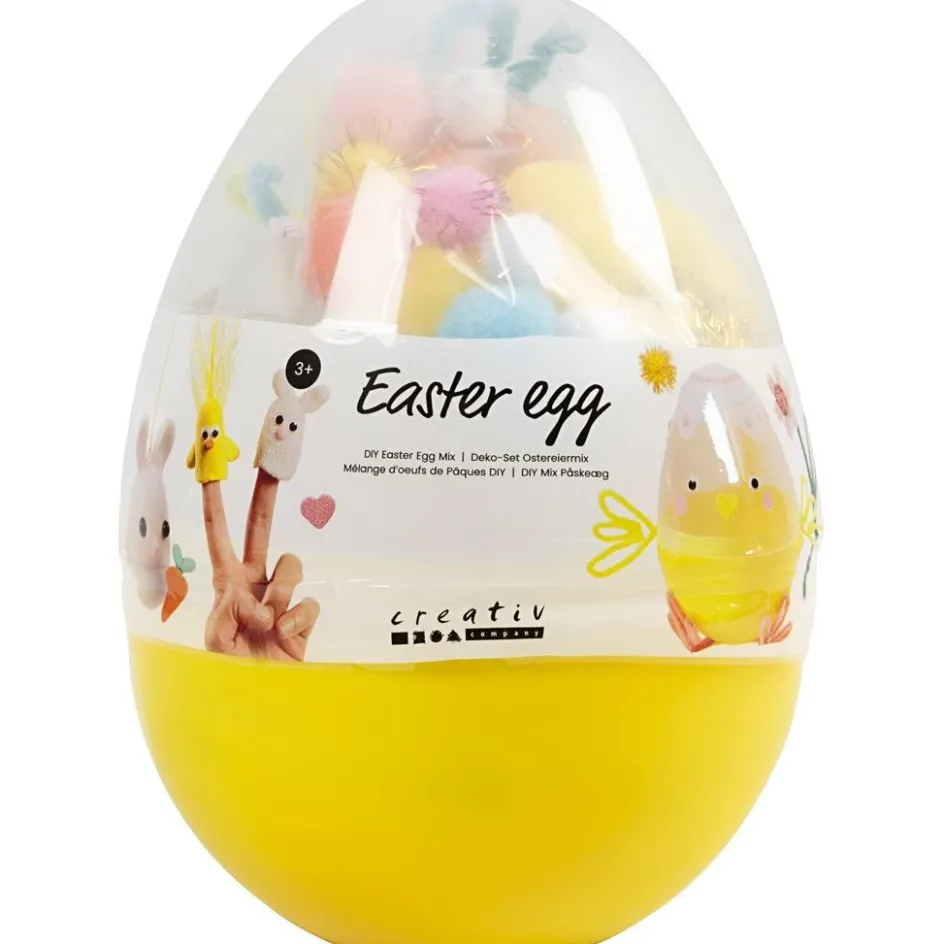
Diy-Kits And Material Sets
Creativ Company Craft Mix Easter Egg| Diy-Kits, Basic Items And Tools
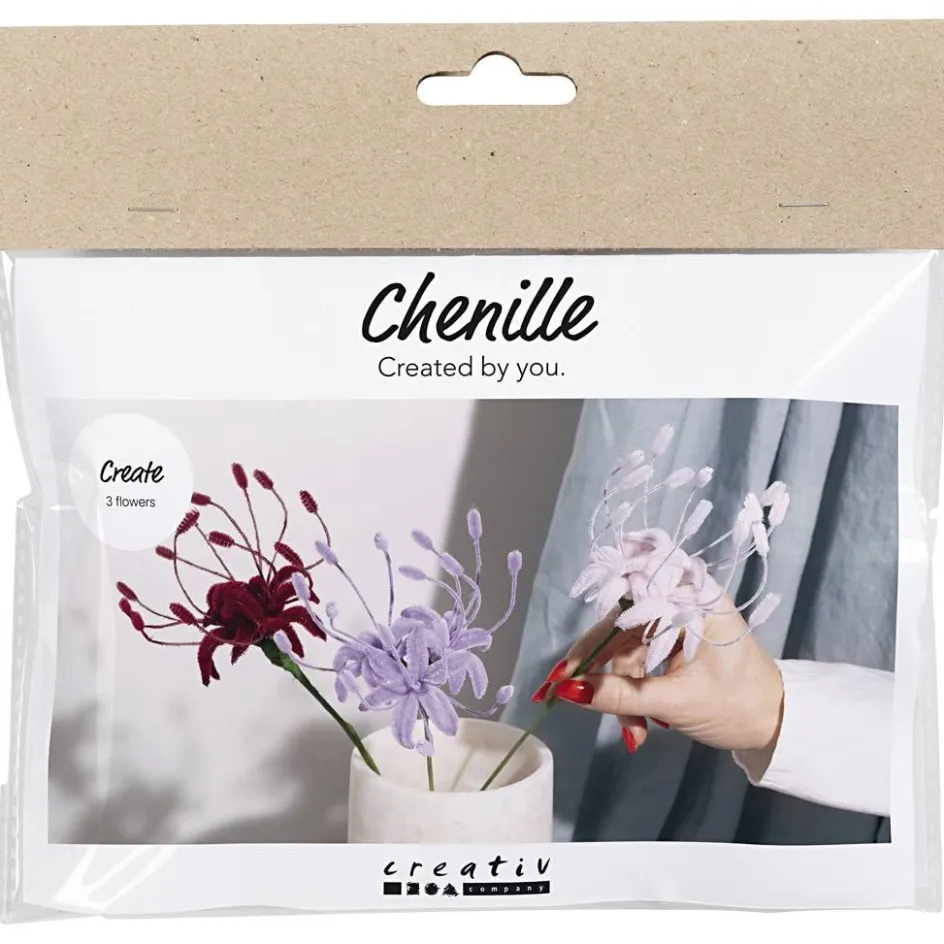
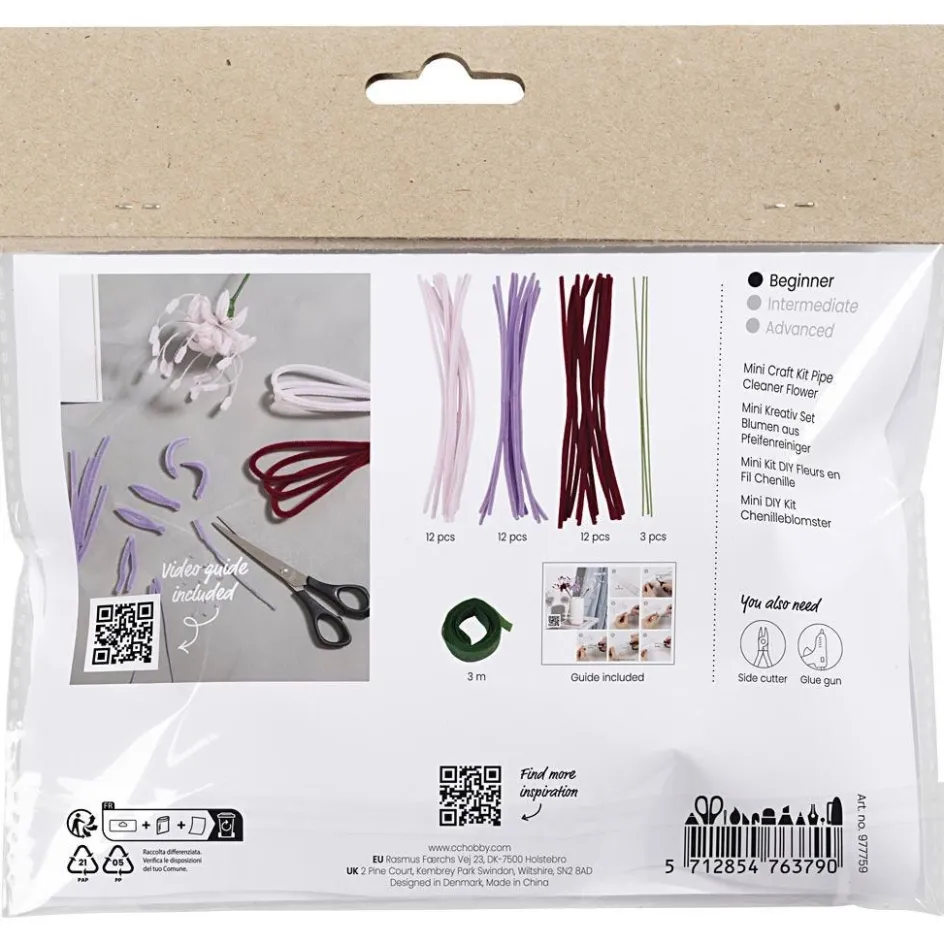
Diy-Kits And Material Sets
Creativ Company Mini Craft Kit Pipe Cleaner Flower| Diy-Kits, Basic Items And Tools
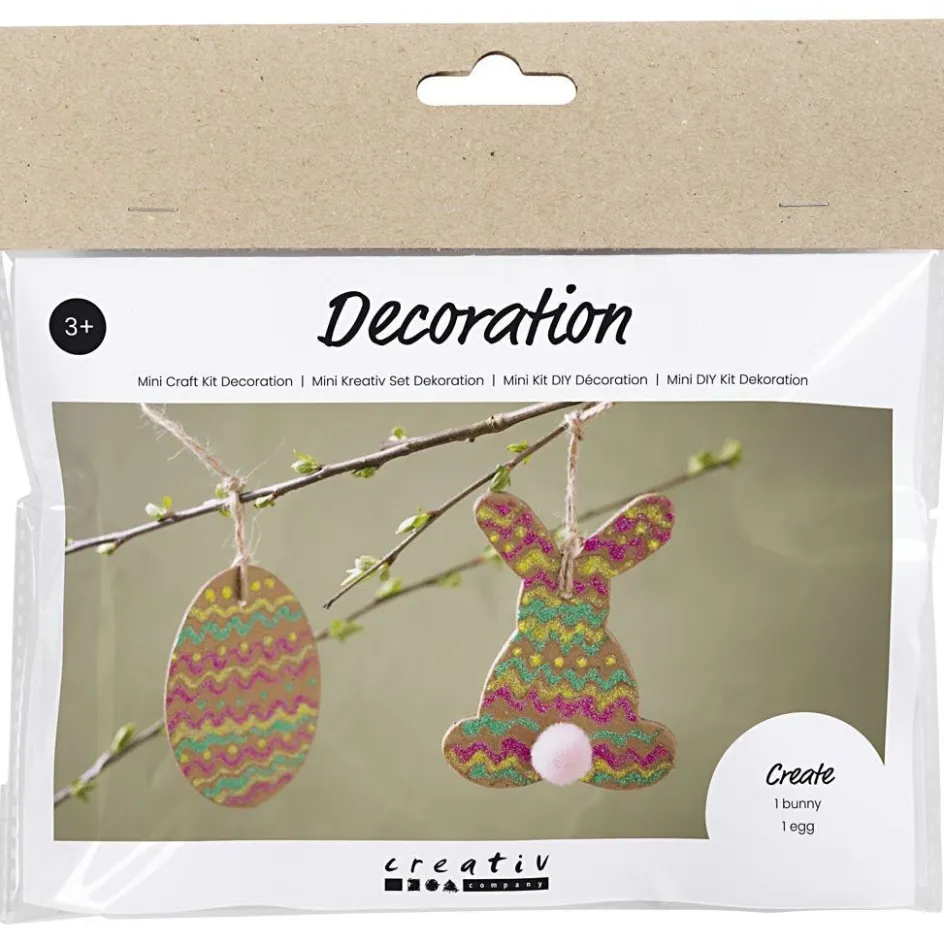
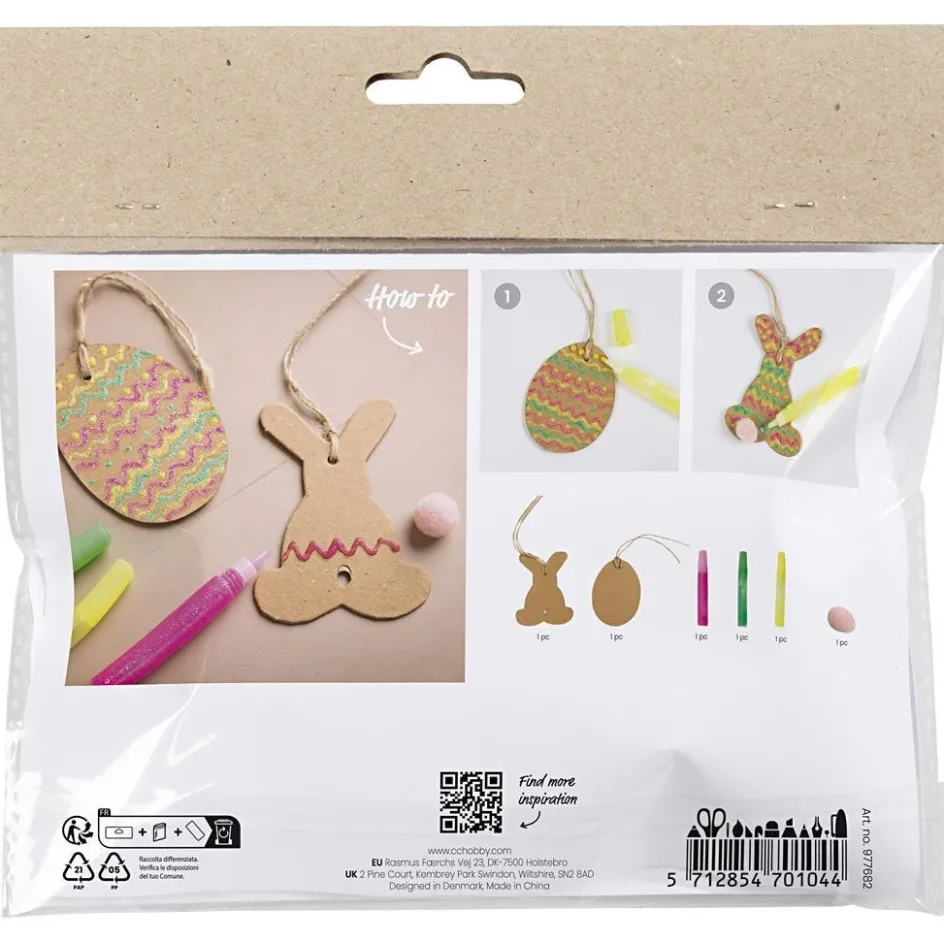
Diy-Kits And Material Sets
Creativ Company Mini Craft Kit Decoration| Diy-Kits, Basic Items And Tools
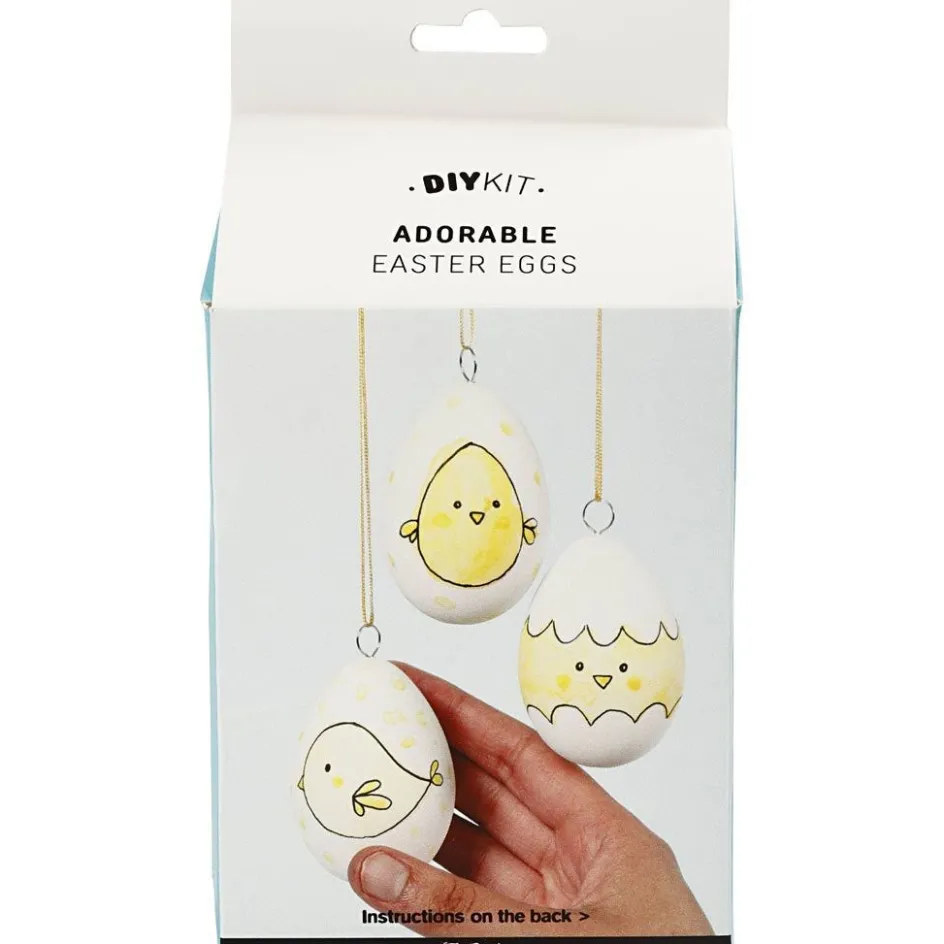
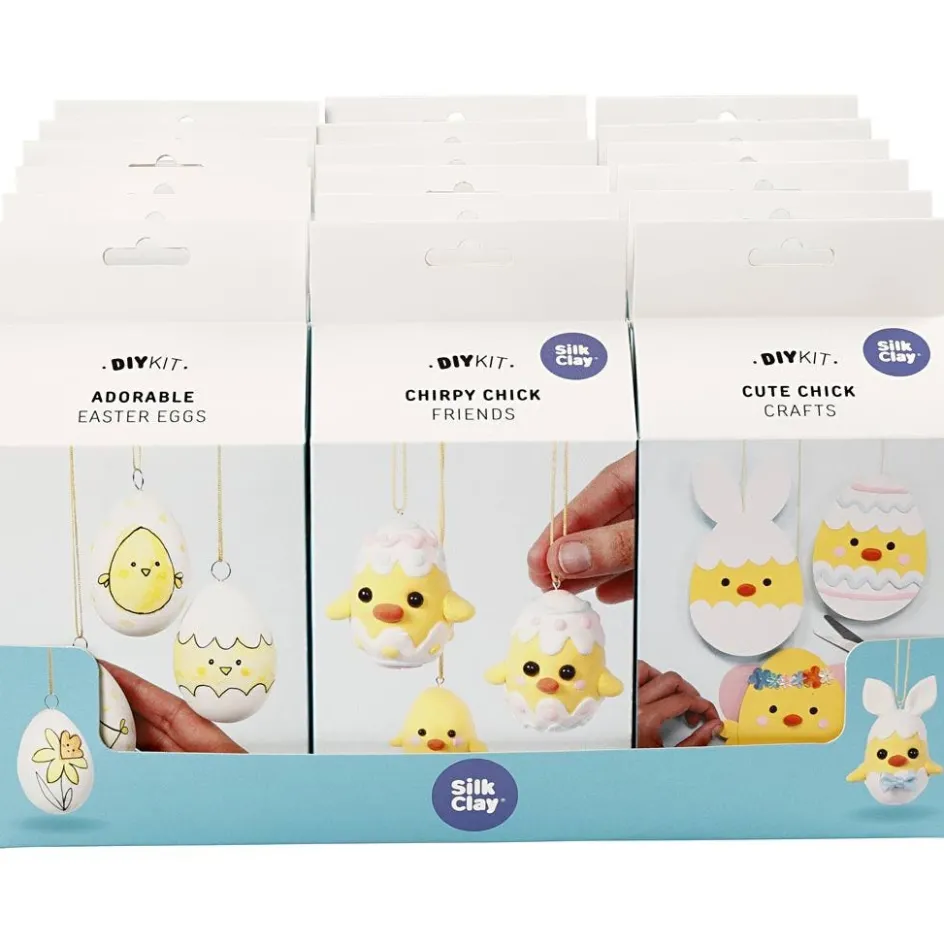
Diy-Kits And Material Sets
Creativ Company Easter Eggs| Diy-Kits, Basic Items And Tools
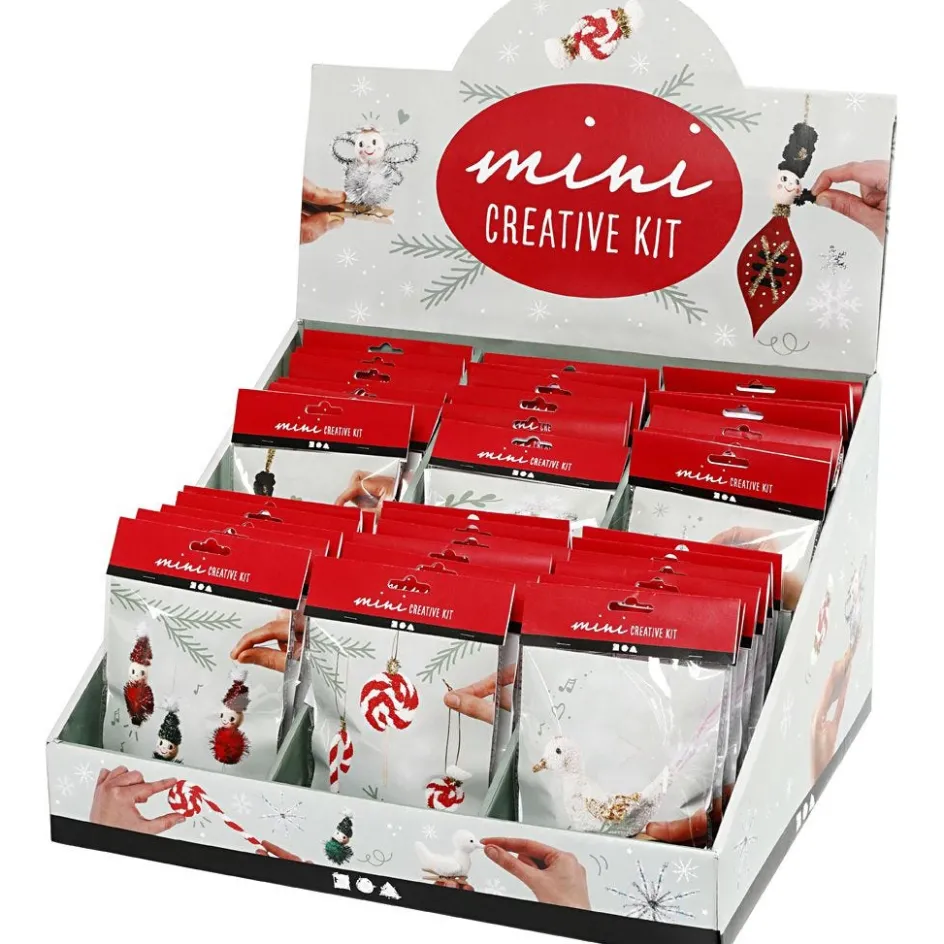
Diy-Kits And Material Sets
Creativ Company Table display with Mini Craft Kit| Diy-Kits, Basic Items And Tools
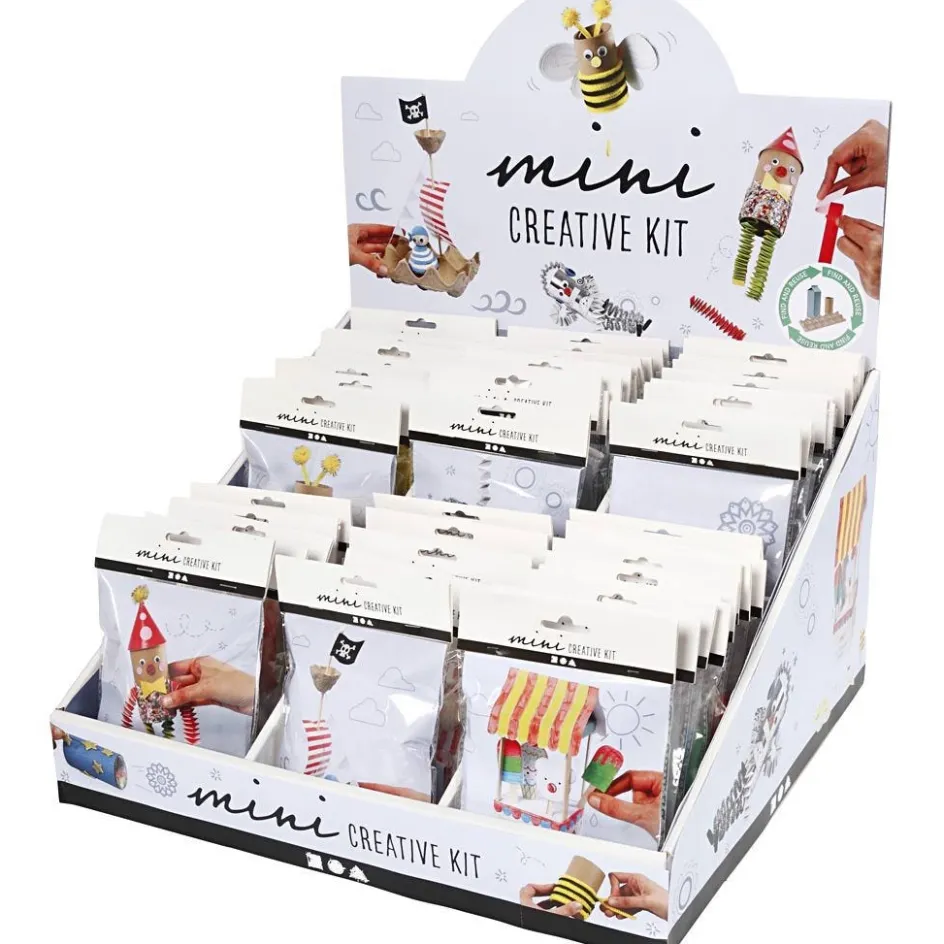
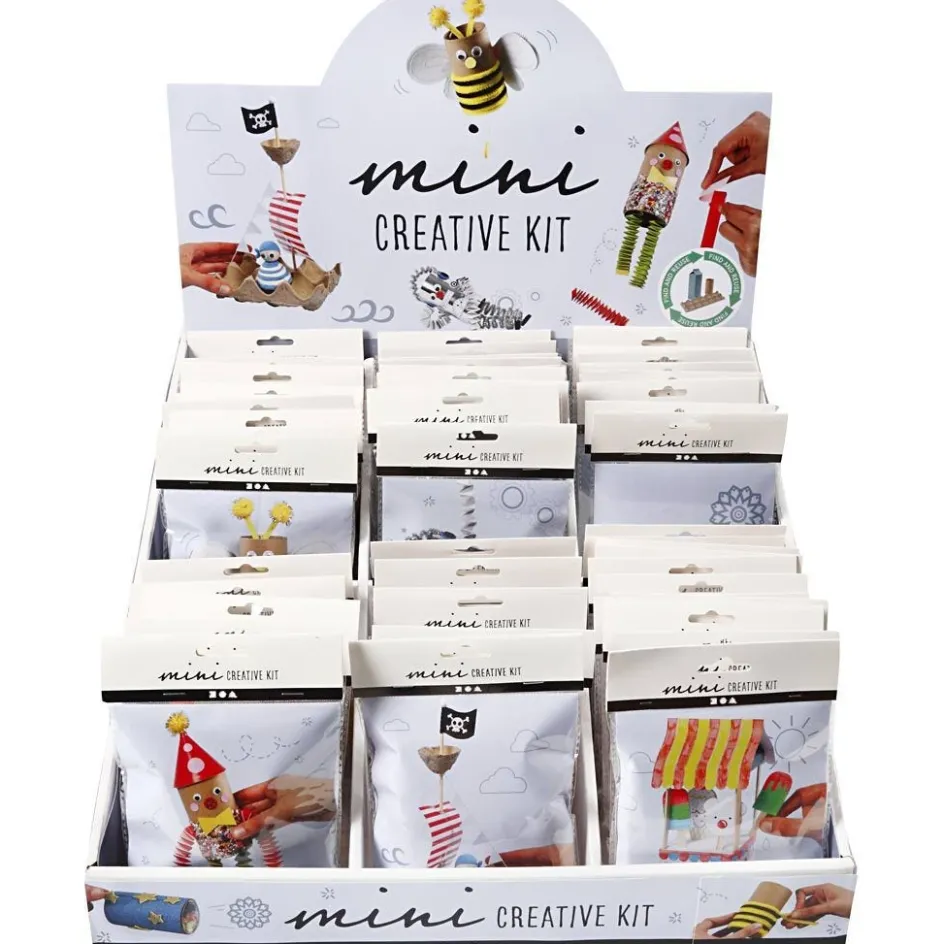
Diy-Kits And Material Sets
Creativ Company Table display with Mini Craft Kit| Diy-Kits, Basic Items And Tools
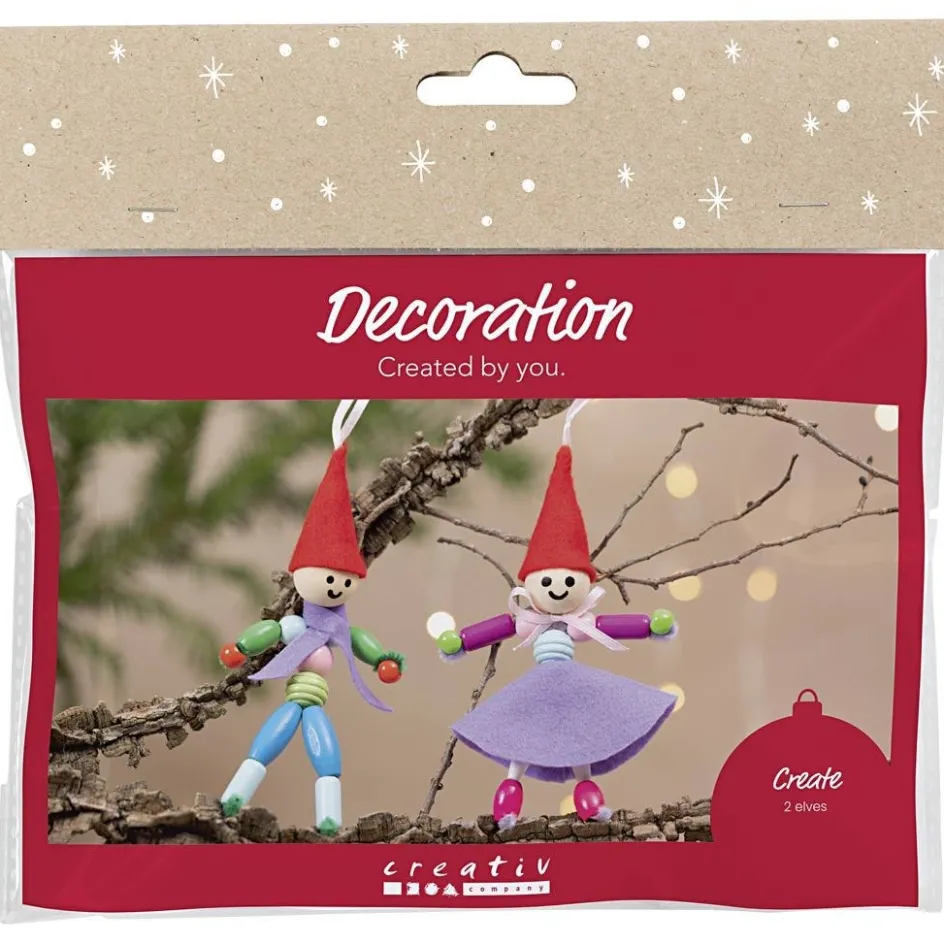
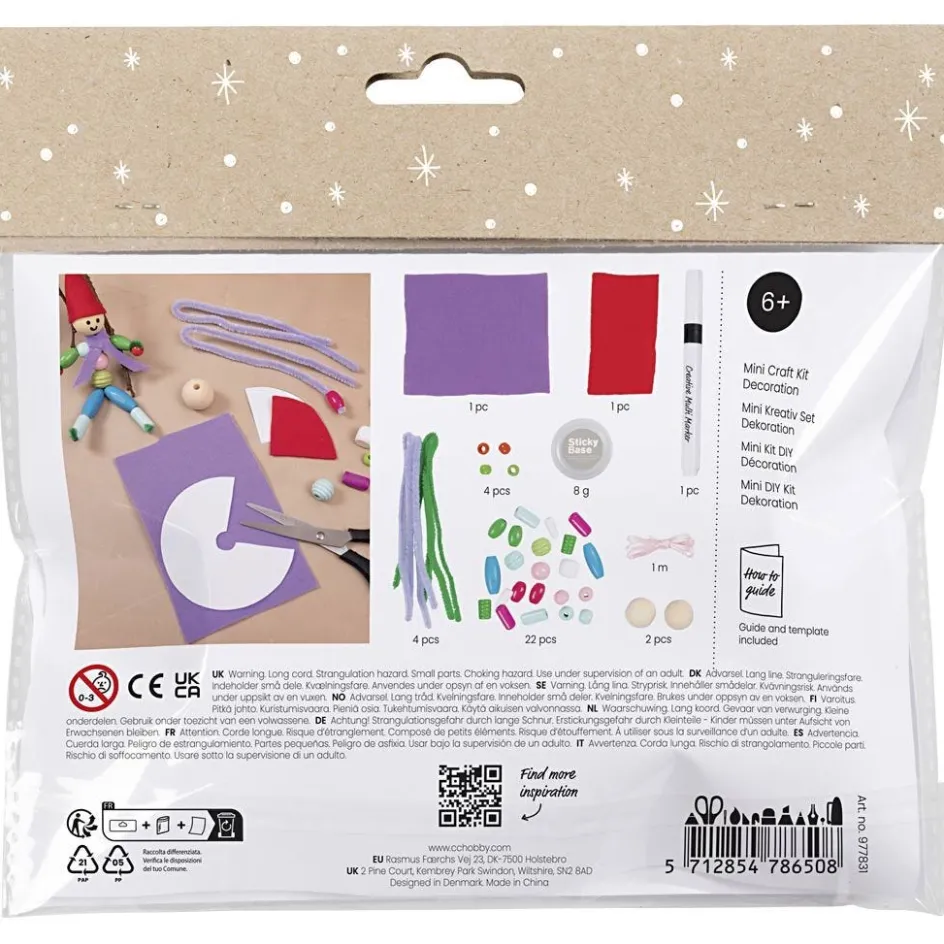
Diy-Kits And Material Sets
Creativ Company Mini Craft Kit Decoration| Diy-Kits, Basic Items And Tools
Diy-Kits And Material Sets
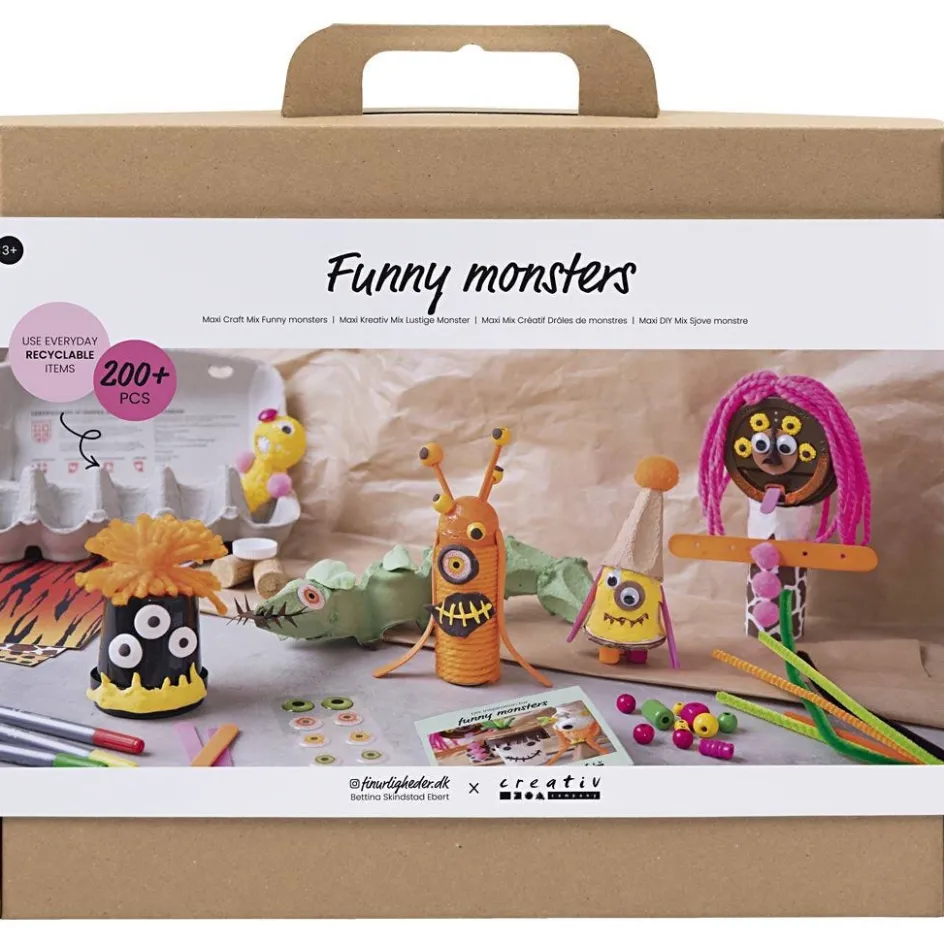
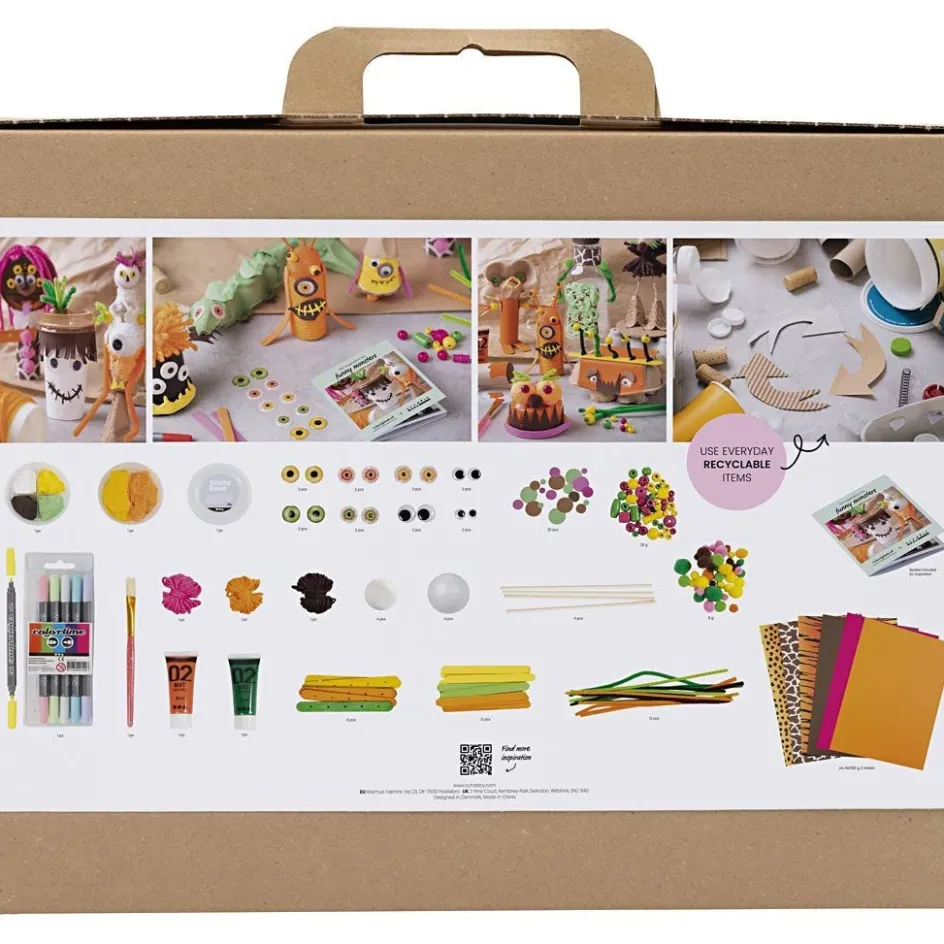
Creativ Company Maxi Craft Mix Funny Monsters| Diy-Kits, Basic Items And Tools
Diy-Kits And Material Sets
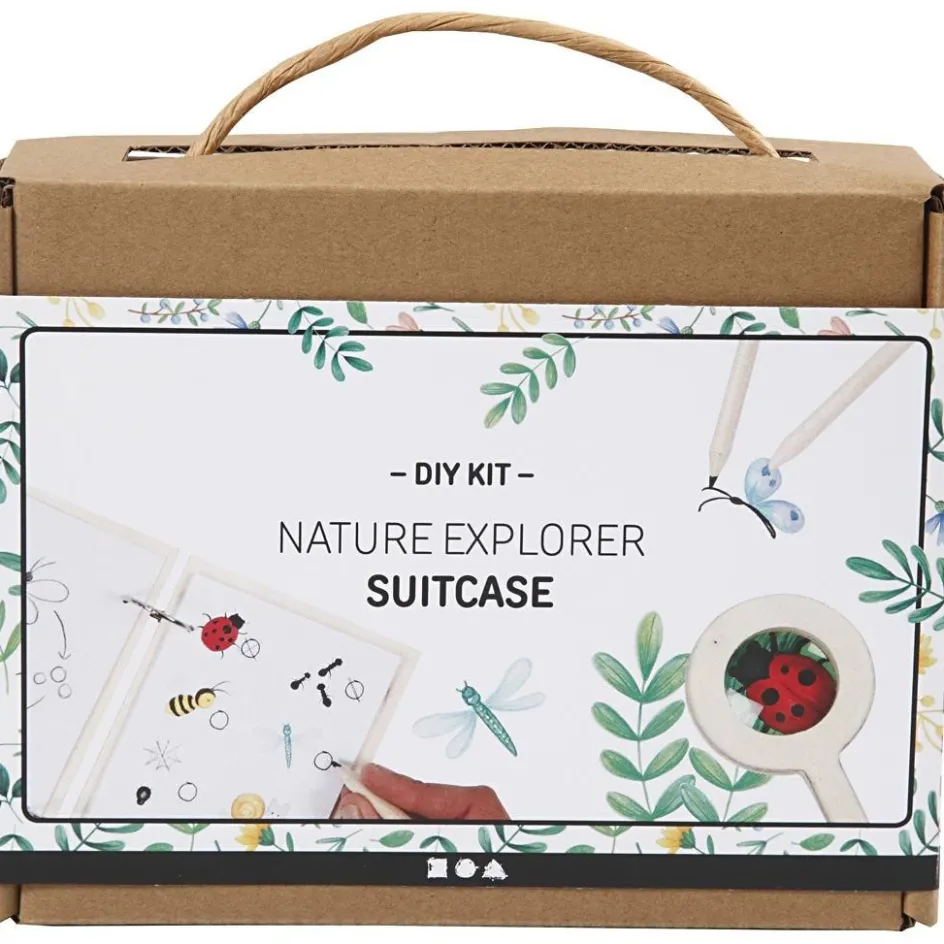
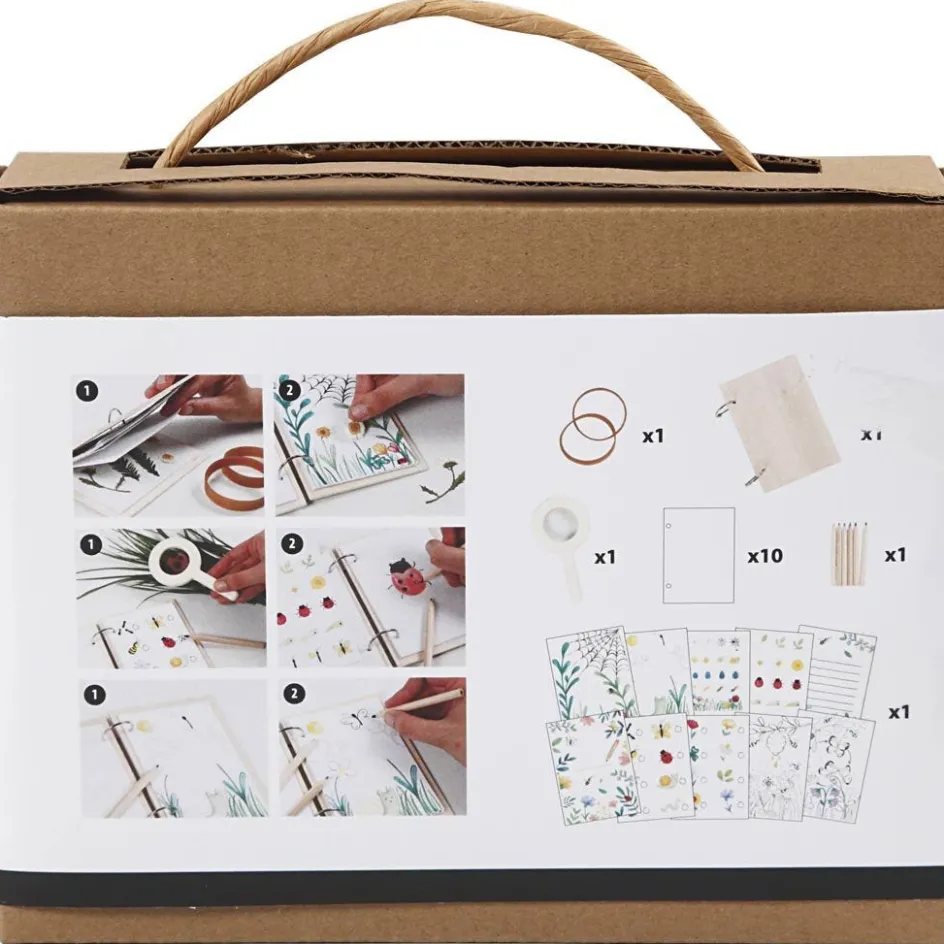
Creativ Company Nature explorer suitcase| Diy-Kits, Basic Items And Tools
Diy-Kits And Material Sets
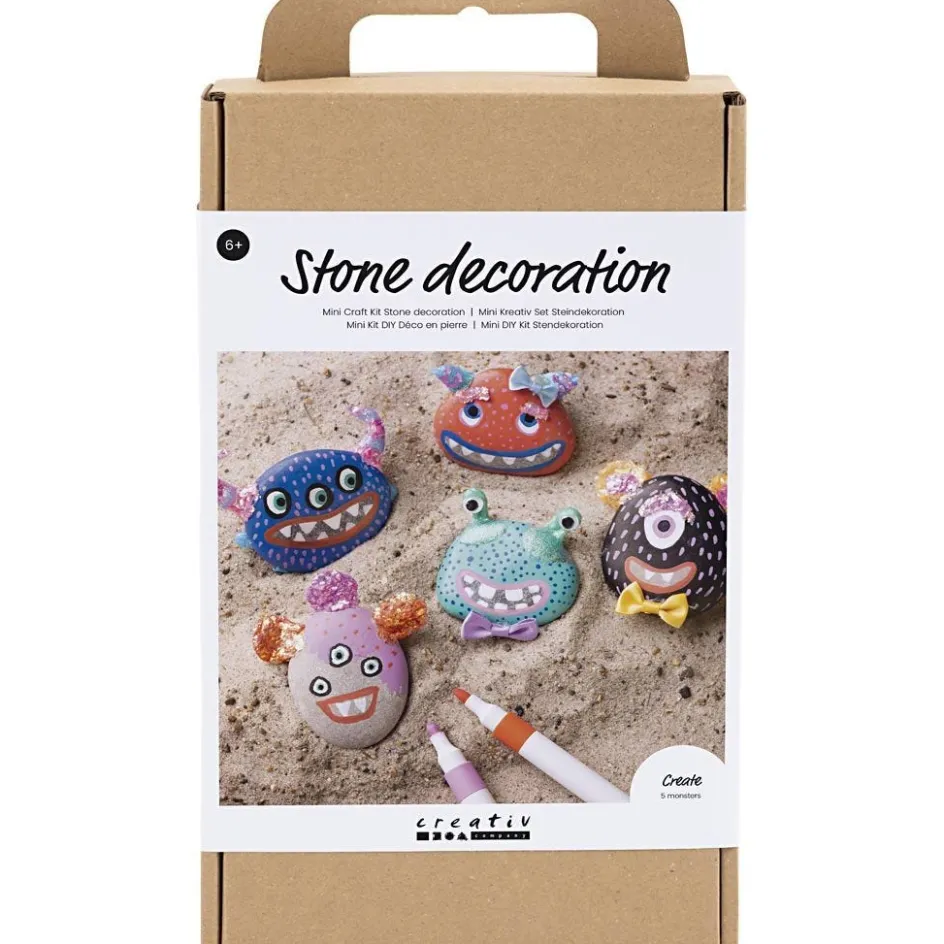
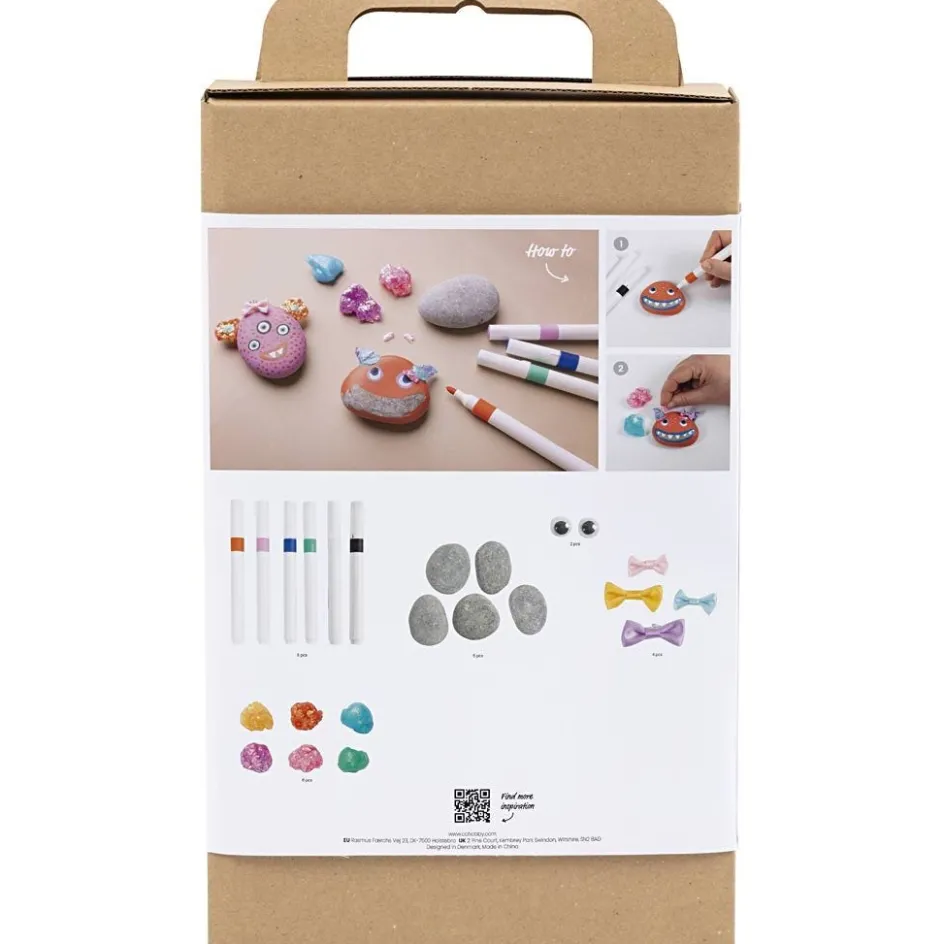
Creativ Company Craft Kit Stone Decoration| Diy-Kits, Basic Items And Tools
Diy-Kits And Material Sets
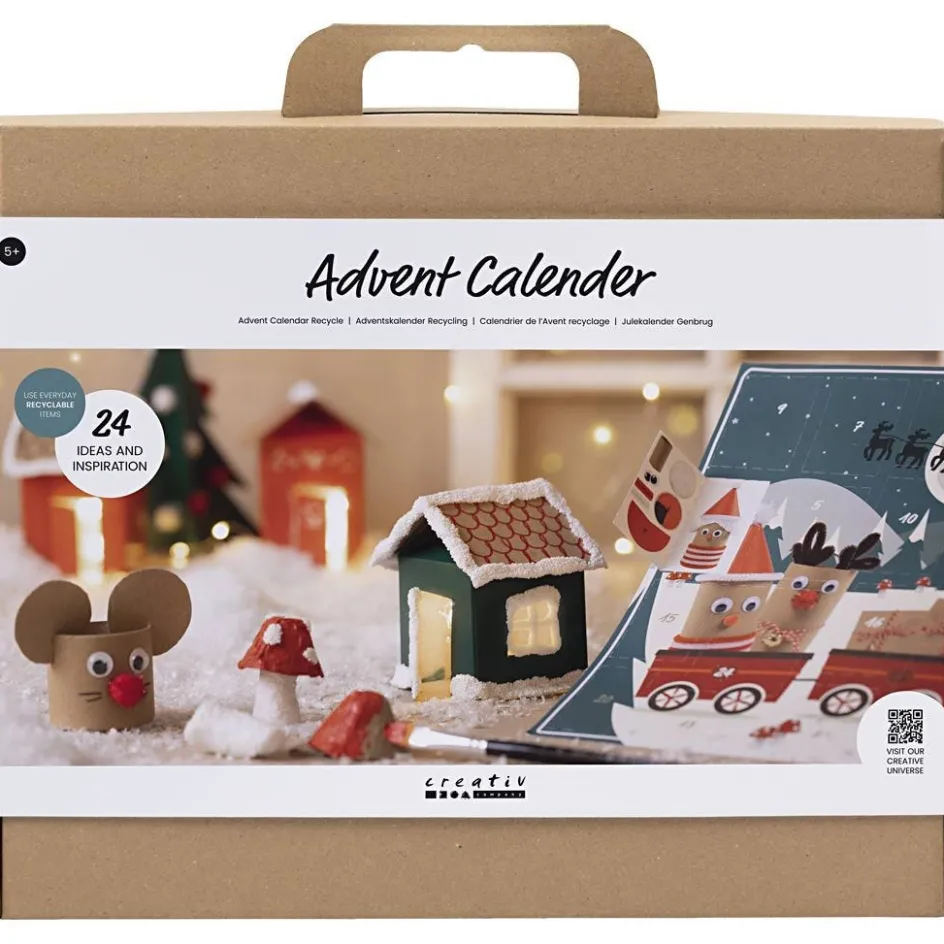
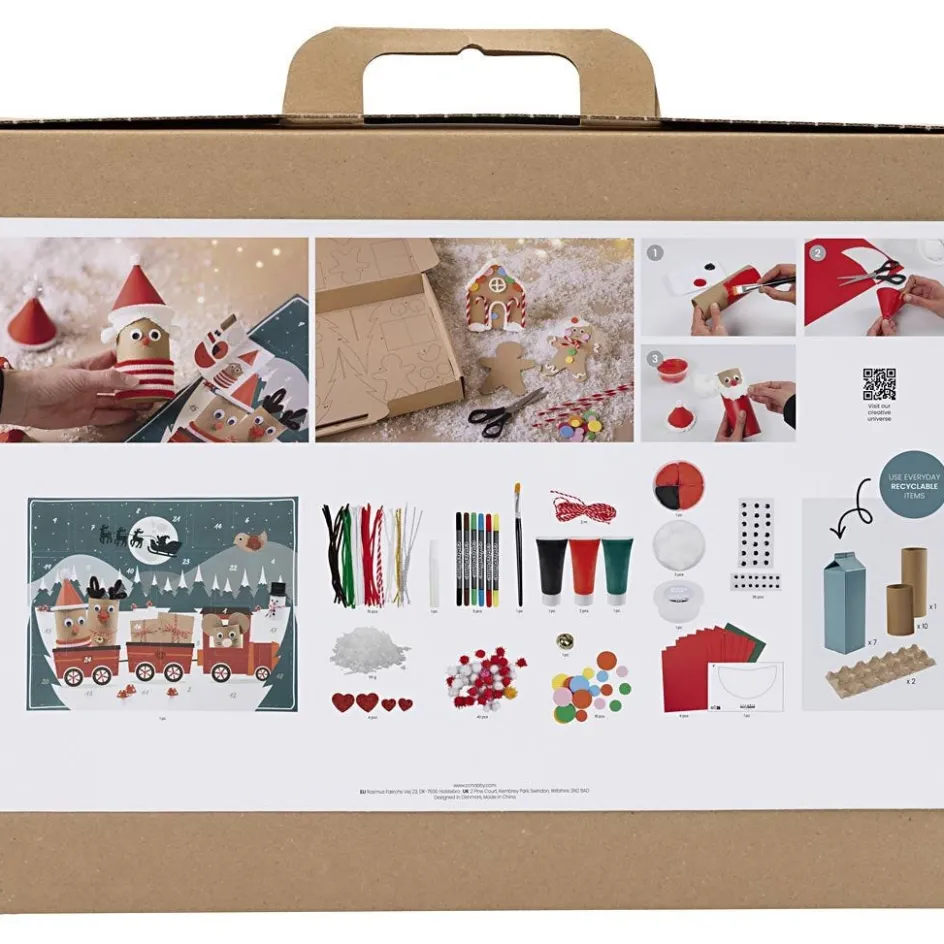
Creativ Company Advent Calendar Recycle| Diy-Kits, Basic Items And Tools
Diy-Kits And Material Sets
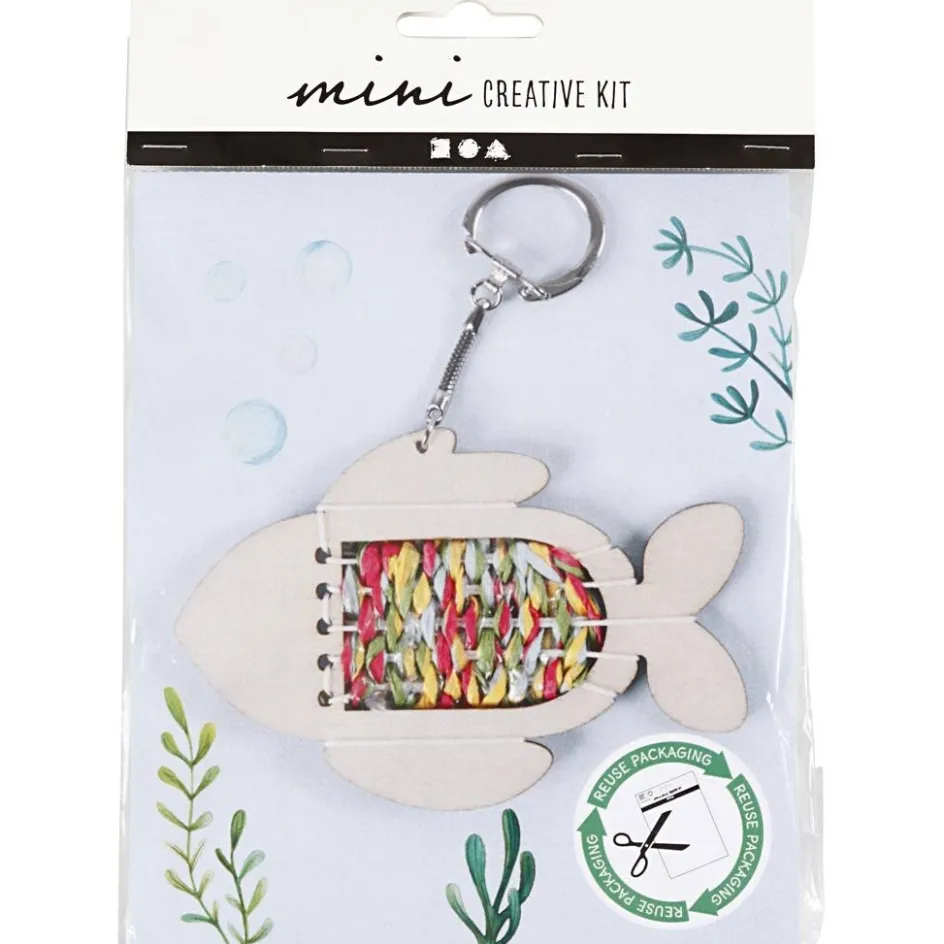
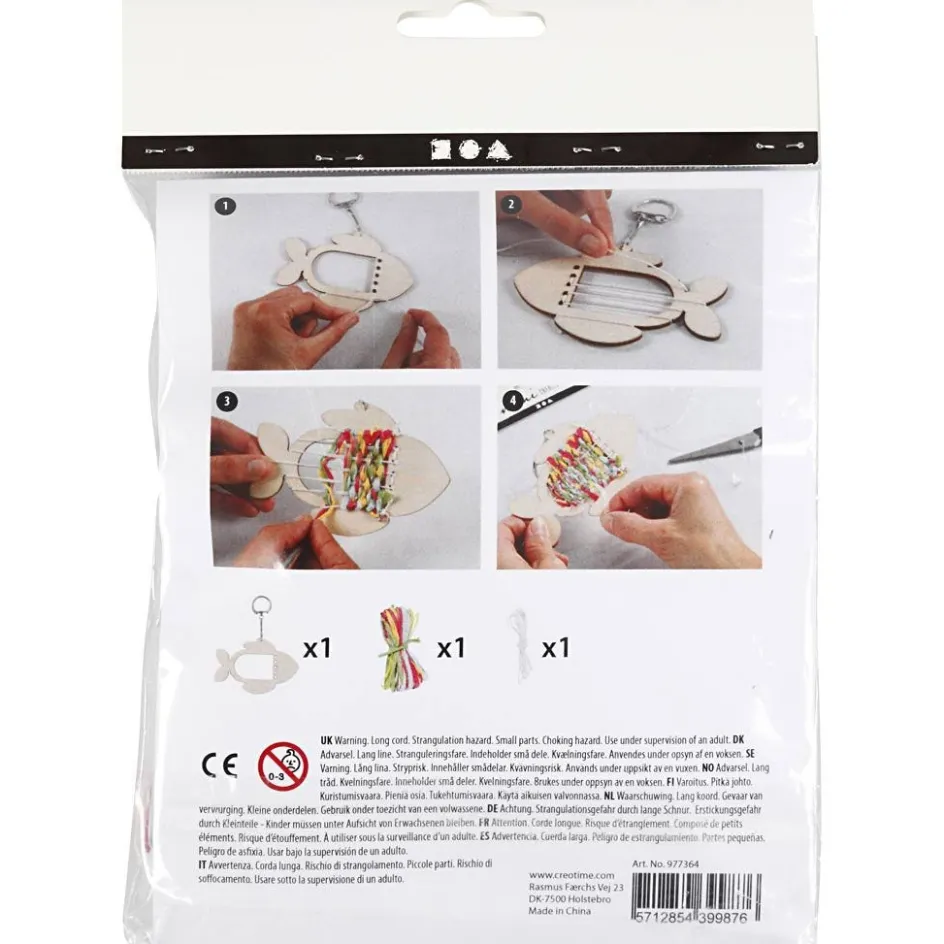
Creativ Company Mini Craft Kit| Diy-Kits, Basic Items And Tools
Diy-Kits And Material Sets
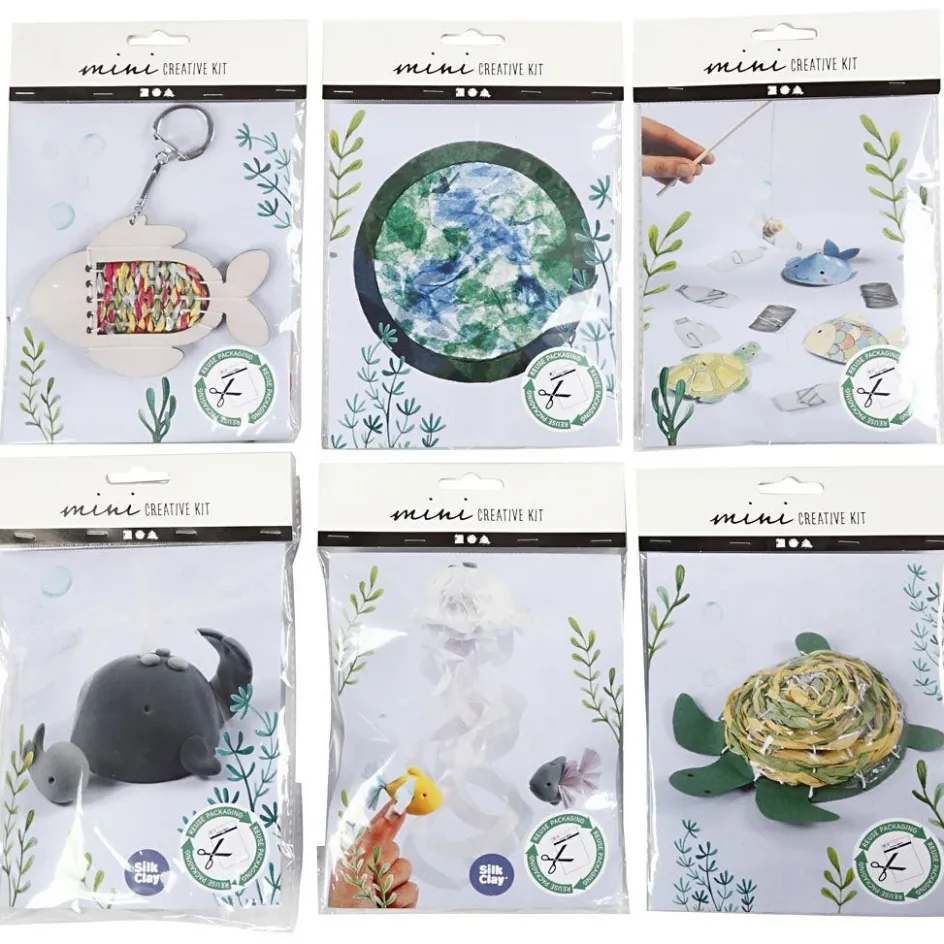
Creativ Company Mini Craft Kit| Diy-Kits, Basic Items And Tools
Diy-Kits And Material Sets
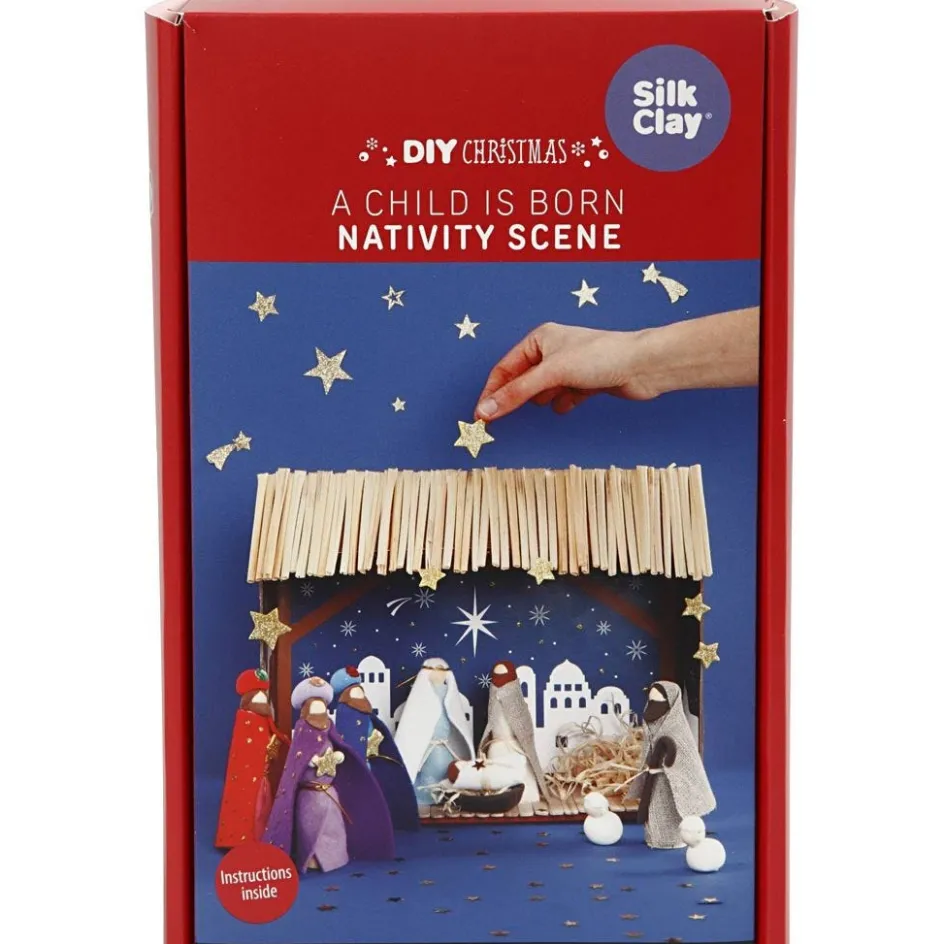
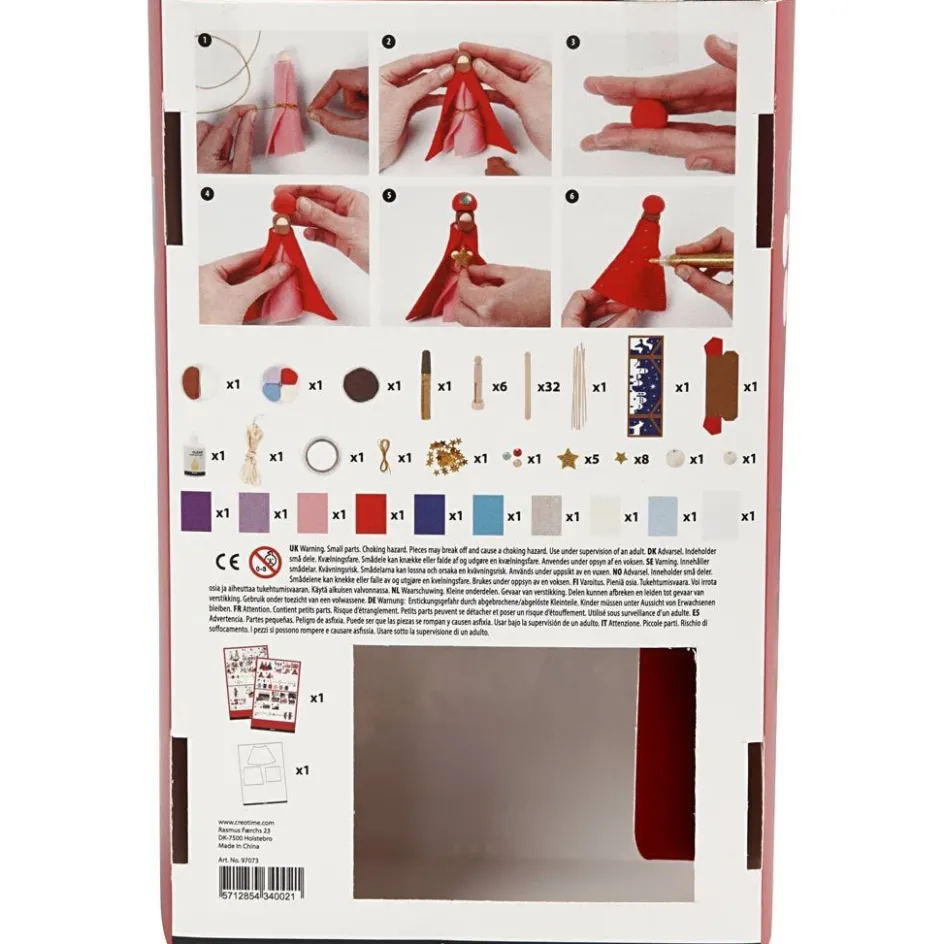
Creativ Company A child is born| Diy-Kits, Basic Items And Tools
Diy-Kits And Material Sets
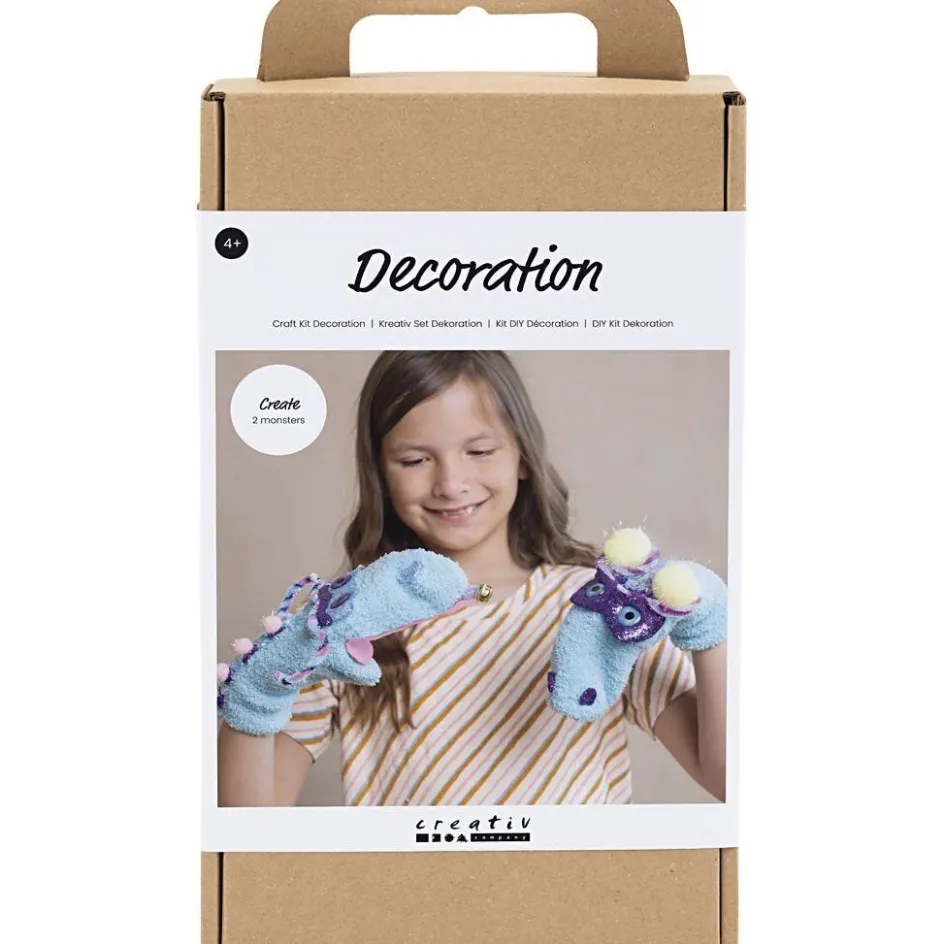
Creativ Company Craft Kit Decoration| Diy-Kits, Basic Items And Tools
Diy-Kits And Material Sets
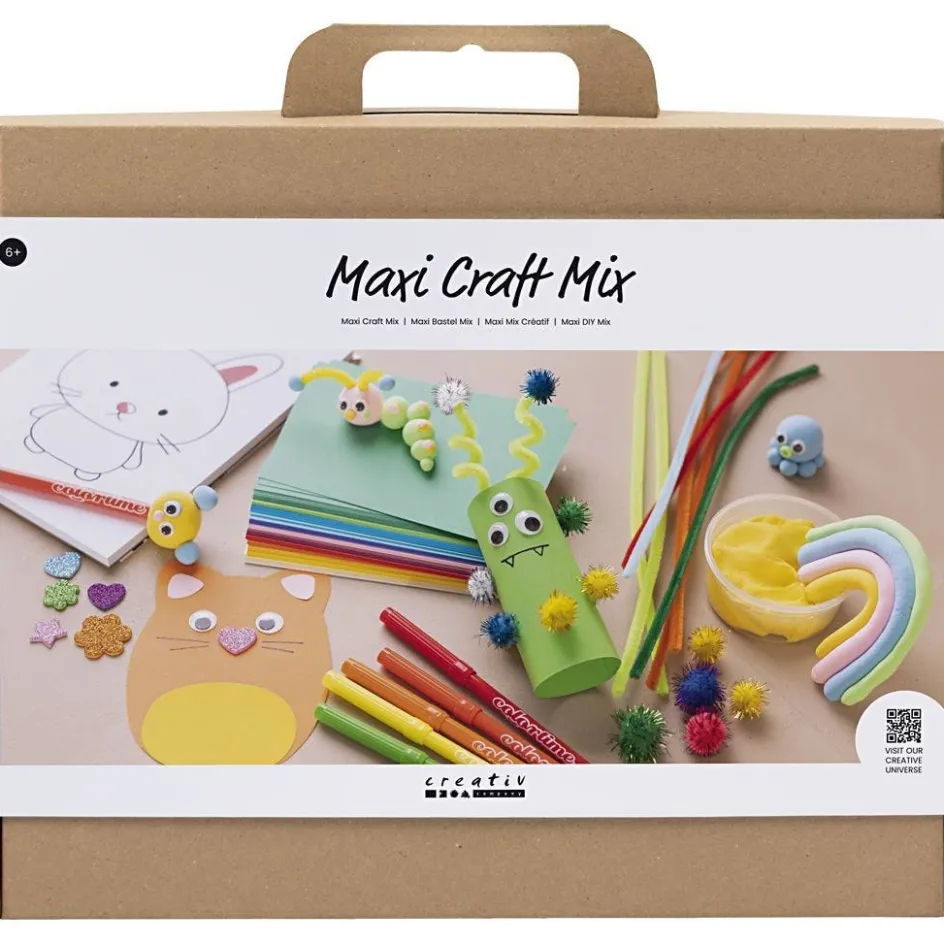
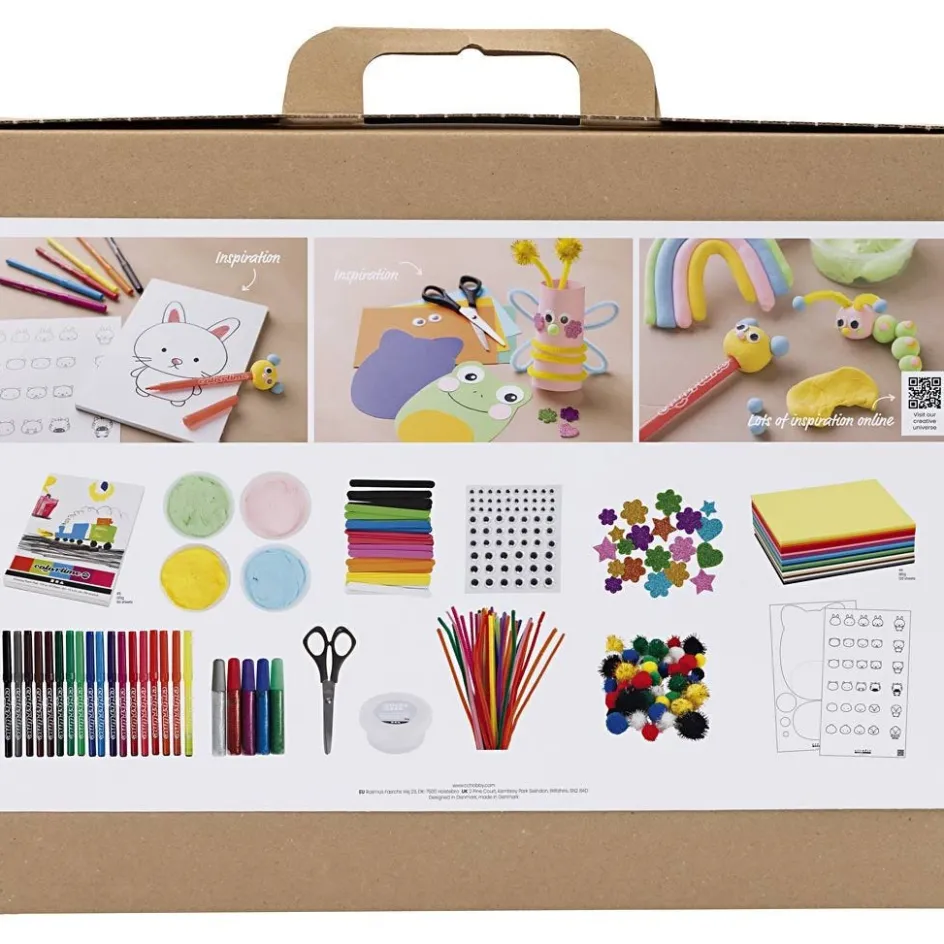
Creativ Company Maxi Craft Mix| Diy-Kits, Basic Items And Tools
Reviews
There are no reviews yet.